Estate cleanouts pa can help families and property owners sort a home after an inheritance, foreclosure, or major change. Begin by deciding what to keep, sell, donate, or remove, then share one clear plan with everyone involved. Careful sorting protects important belongings and makes the next steps easier to manage.
Estate cleanouts may help families, property owners, and professionals clear a home after an inheritance, foreclosure, or major life change. A good plan sorts belongings before removal, protects items that matter, and deals with waste safely. Apex North Carolina Junk Removal can help prepare a property for sale, repairs, or a new occupant.
Table of Contents
- What does an estate cleanout in Pennsylvania involve?
- How should you prepare a property for an estate cleanout?
- What items can be removed during a Pennsylvania estate cleanout?
- How do you handle sensitive belongings during a cleanout?
- How can a cleanout prepare a foreclosed property for sale or turnover?
- What affects the time and effort required for an estate cleanout?
- How do you choose an estate cleanout service in Pennsylvania?
- Frequently Asked Questions
What does an estate cleanout in Pennsylvania involve?
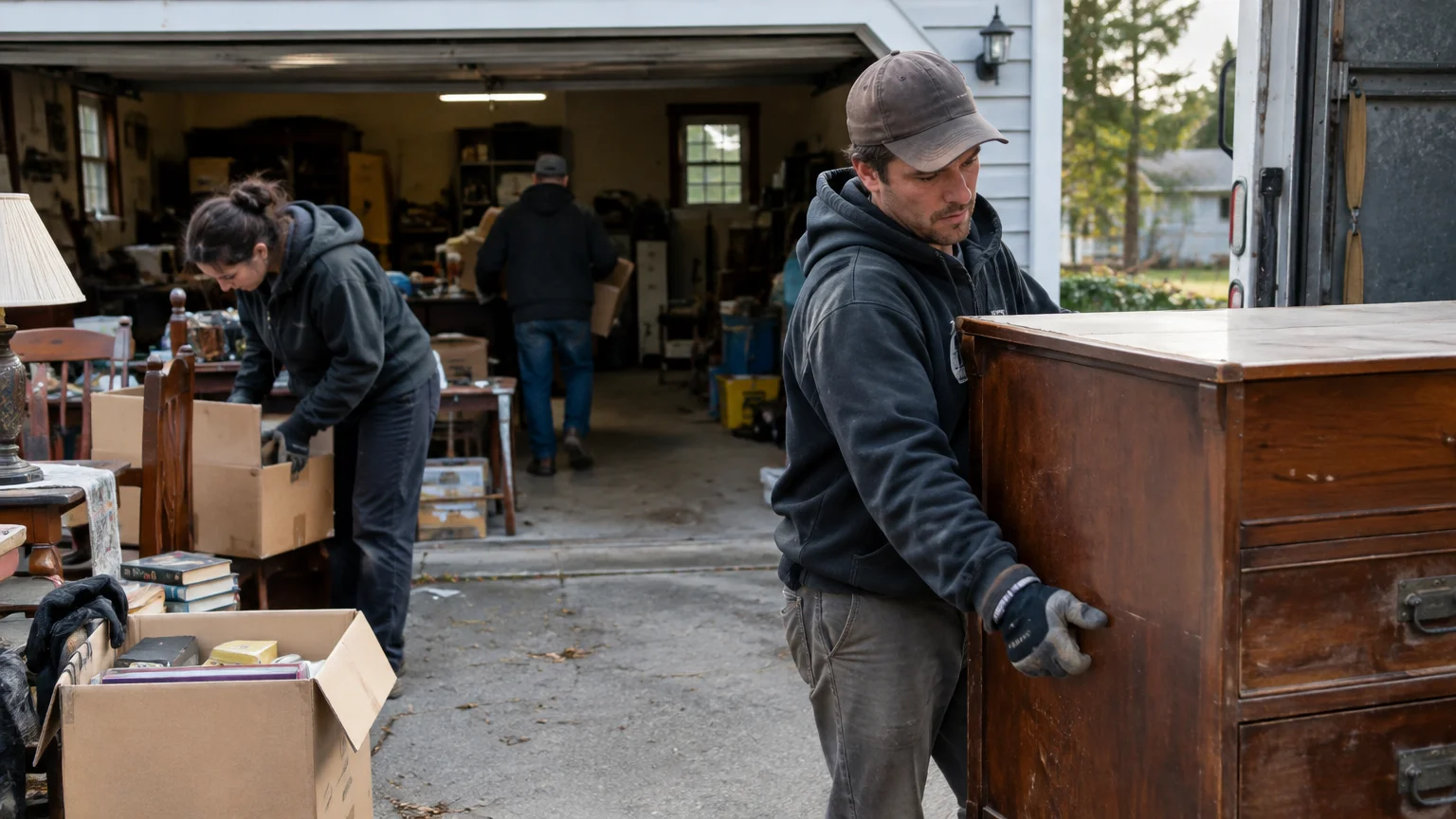
An estate cleanout is a planned way to sort and remove belongings from a home. It may include furniture, appliances, household goods, and leftover debris. The goal is to leave the property as agreed, perhaps ready for cleaning, repairs, a sale, or handover.
How an estate cleanout differs from ordinary junk removal
Ordinary junk removal often means taking away a few unwanted items. An estate cleanout may cover most of a home’s contents and need careful sorting. It can also involve planning access, getting help from family or an executor, and working around repairs or a property sale.
The words estate cleanout services can mean help with a full home, a garage, or just a few rooms. Every property is different. Some homes have only a small number of items to remove. Others need more sorting before the rooms can be cleaned or checked.
When cleanouts are needed for inherited or foreclosed properties
Families may need a cleanout after they inherit a home or settle an estate. A property owner, executor, or manager may also need one after foreclosure, a tenant move-out, or a change in ownership. First, find out who can make decisions and what items must stay.
For an inherited home in Apex, clear directions can help family members make choices with less stress. Apex North Carolina Junk Removal can talk through the work plan with the person managing the property. Before removal starts, that person should confirm which rooms are included and whether anything must remain.
How should you prepare a property for an estate cleanout?
First decide what should stay, what may be sold or donated, and what can go. Share those choices with everyone who has a say. A short written plan can prevent mix-ups and help the team focus on the right items and rooms.
Identify belongings to keep, donate, sell, or remove
Walk through the home and mark anything that should not be moved. Use labels, a written list, or a separate room to keep those belongings apart. Taking photos before work starts can also help, especially when several people are involved or the home is for sale.
Sort belongings into clear groups:
- Keep: family items, records, and belongings someone wants to hold on to.
- Donate: usable goods that a local group agrees to accept.
- Sell: items the family plans to value or offer for sale.
- Remove: unwanted furniture, broken goods, and household debris.
Donation groups decide what they can accept. Check with them first, rather than assuming an item will be taken. Set aside belongings with personal or legal value before the cleanout begins.
Coordinate with heirs, executors, agents, or property managers
Choose one person to answer questions and approve any changes. That person can share the written plan with heirs, an executor, a real estate agent, or a property manager. If several people need to approve choices, agree on how to handle questions before anything is moved.
Plan how workers will enter and which parts of the property they can use. Keep walkways clear, secure pets, and share any rules for the building. Point out locked rooms or areas that are not part of the job. These steps can help prevent delays and missed items.
What items can be removed during a Pennsylvania estate cleanout?
A cleanout can include common household items such as furniture, appliances, clothes, and general goods. Confirm what is included before work begins. Some materials need special care, so tell the service about them early instead of mixing them with ordinary household debris.
Furniture, appliances, household goods, and accumulated debris
Common items include tables, beds, sofas, cabinets, rugs, boxes, and small household goods. A team may also take appliances, depending on the service plan and the item. Before you get rid of old furniture, decide whether it should stay, be donated, or be sold. Broken furniture may need removal if it cannot be used or accepted.
For a fridge or another large appliance, ask how it should be prepared and whether the service accepts it. Take out food and loose items, and keep the appliance closed. Disposal rules may depend on the item and local options. Check with the service or local waste provider before putting it out.
Describe concrete chunks, bricks, and other heavy debris when arranging removal. These items may need a different plan from household goods. Do not hide heavy materials in boxes or mix them with lighter items. A clear description helps the team plan safe handling and bring the right equipment.
Hazardous materials and items that may need specialized handling
Some things should not go into a regular load. These may include chemicals, fuel, paint, certain batteries, and other materials that can harm people or the environment. Local rules and drop-off choices vary. Ask the local waste authority how to handle these items safely.
Tell the cleanout service if the home contains anything that may need special care. Do not open unknown containers, mix chemicals, or move items that seem unsafe. If you find pests, mold, or damaged building materials, pause work in that area. Ask a qualified professional what to do next.
How do you handle sensitive belongings during a cleanout?
Set aside papers, valuables, and personal keepsakes before removal starts. Make a clear plan for who can review them and where they should go. Careful sorting helps protect private items and gives family members time to find belongings they want to keep.
Set aside documents, valuables, and personal keepsakes
Look for mail, legal papers, photographs, keys, jewelry, and small keepsakes. Put them in a marked box or a locked room away from the removal area. If a family member or executor needs to check records, plan that review before the home is cleared.
Do not assume a small item has little value. A folder may contain papers needed for the estate, while a plain box may hold family photos. Check drawers, shelves, and storage areas that are part of the work plan. Tell the team which items must not be removed.
Use clear decisions and communication when multiple people are involved
When several people have a say in the home, confusion can happen. Give everyone the same written directions and name one person to answer questions. If people disagree about an item, pause its removal until they make a choice.
A room-by-room list can make the plan easier to follow. Note what stays, what goes, and which areas are off limits. Keep updates in one place so family members, the executor, and the service team can see the latest directions. This avoids relying on guesses or old messages.
How can a cleanout prepare a foreclosed property for sale or turnover?
A cleanout can remove leftover belongings and clear rooms for inspection, cleaning, repairs, or sale preparation. Before work starts, the owner or property manager should confirm what must stay and what the next team needs. Clear rooms make it easier to see floors, walls, and fixtures.
Remove remaining contents and clear access to rooms
Begin with the work areas and paths into them. Move unwanted furniture, loose items, and debris from doorways, halls, and rooms set aside for repairs. If a contractor needs access to a certain area, tell the cleanout team before the visit and keep the route clear.
A property-ready cleanout does not always mean the home is fully cleaned or repaired. It means the agreed belongings have been removed so the next tasks can start. Say whether the work includes sheds, basements, attics, garages, or only living areas.
Plan debris removal alongside repairs, cleaning, and property inspections
Set the order of work with the people managing the property. Removing contents before deep cleaning can make floors and surfaces easier to reach. Repairs may need to happen before final cleaning, so check the schedule with the agent, contractor, or property manager.
For foreclosed homes, keep a record of the areas cleared and anything left behind by agreement. Tell the service team about access limits, lockbox rules, or building directions. A clear plan can prevent extra handling and help make the home easier to inspect or turn over.
What affects the time and effort required for an estate cleanout?
The amount of work depends on the home’s size, how much it holds, access, and sorting needs. The condition of the property and any special disposal needs also matter. A mostly empty home with easy access is different from a crowded home with heavy items and many belongings to review.
Property size, volume of contents, access, and sorting needs
A larger home may need more work because it has more rooms and storage areas to check. A crowded garage, basement, or attic can add to the task. Narrow stairs, limited parking, long walks to the home, and locked areas can also affect the work plan.
Sorting can take time when family members need to review many belongings. The work may be simpler when decisions are settled before the team arrives and important items are marked. Share photos or a room list when discussing the job. Point out large furniture, appliances, and heavy items.
How property condition and specialized disposal needs affect the work
A home with damaged belongings, blocked paths, or signs of pests may need more care. Some items cannot be handled like ordinary household debris. If the home contains chemicals, unknown containers, or materials that may be unsafe, describe them before setting a work date.
People may ask about estate cleanout services cost or estate cleanout costs. The work depends on the amount of material, access, sorting, item types, and any special handling. Removing a few easy-to-reach items is different from clearing a full home with heavy contents and careful sorting. The final cost is confirmed on a quote.
How do you choose an estate cleanout service in Pennsylvania?
Choose a service that listens to your plan, explains the work, and treats belongings with care. Ask about the rooms, item types, disposal steps, and timing. A clear plan helps the owner, family, or property manager know what to expect before removal begins.
Ask about scope, handling practices, scheduling, and disposal
When comparing an estate cleanout company or several estate cleanout companies, ask each one the same questions. Find out which rooms are included, how special items are handled, and what the service cannot take. Ask how the team plans to enter and what the property should look like when work ends.
A local estate cleanout service near me may help when a property needs hands-on support. Confirm that the service area and job details fit your needs. In Apex and nearby communities in North Carolina, Apex North Carolina Junk Removal can discuss cleanout needs and explain how to prepare for the work.
Check whether the service can fit the timing needed by an agent, executor, or property manager. Ask how changes are handled if the team finds items outside the original plan. Clear answers can prevent confusion on the day of the cleanout.
Confirm the cleanout plan and property-ready expectations before work begins
Write down which rooms will be cleared, what must stay, and which areas are not included. Confirm who will be there and who can approve changes. If the home needs to be ready for a sale or handover, explain what that means. For example, the goal may be clear floors or removal of agreed contents.
Good estate cleanouts pa start with clear choices and careful communication. A written plan can protect important belongings and help prepare a home for its next use. In Pennsylvania, families should check local rules for waste and special materials before arranging disposal.
Frequently Asked Questions
How do you get rid of old furniture during an estate cleanout?
First decide whether the furniture should stay, be sold, or be offered for donation. Check with the donation group before arranging a drop-off, since some groups do not take damaged or bulky items. For furniture no one wants, ask the cleanout service what it can remove. Describe the item’s size and where it is located.
How should someone dispose of an old fridge?
Ask the local waste provider or cleanout service how it accepts refrigerators. Remove food and loose items before removal, then follow any directions for preparing the appliance. Do not leave a fridge where children can get inside it. Local rules and disposal choices may differ, so check before moving it.
Can a cleanout include concrete chunks and other heavy debris?
Some services may take concrete or other heavy debris, but check before the work begins. Describe the material, amount, and location. Heavy building debris may need a separate plan from household goods. Do not put it in boxes or mix it into a load without clear directions.
What should families do before an estate cleanout begins?
Families should agree on what to keep, sell, donate, or remove. Set aside personal papers, valuables, and keepsakes, then name one person to answer questions. Share a room list and mark any areas that should not be entered. This gives the team clear directions and helps protect important belongings.
What is included in estate cleanout services?
The work depends on the plan agreed upon before the visit. It may include removing furniture, appliances, household goods, and debris from selected rooms or a whole home. Some materials need special care, and some services may not accept them. Confirm the rooms, accepted items, and expected result before work starts.
Key takeaways
- Sort belongings before removal and mark items that must stay.
- Name one person to answer questions and approve changes.
- Describe large, heavy, or possibly unsafe items before work begins.
- Match the cleanout plan to the next step, such as repairs or sale.
- Confirm the rooms, items, access plan, and expected result in advance.
Conclusion
An estate cleanout can help families and property professionals prepare a home for its next use. The best results start with clear choices, safe handling, and a shared plan for what stays and what goes. For help planning a property cleanout, Contact us at Apex North Carolina Junk Removal to discuss the work.
If you are not sure what you are dealing with, it is worth having someone look at it before it turns into a bigger job. Get in touch with Apex North Carolina Junk Removal today and we will tell you where you stand.