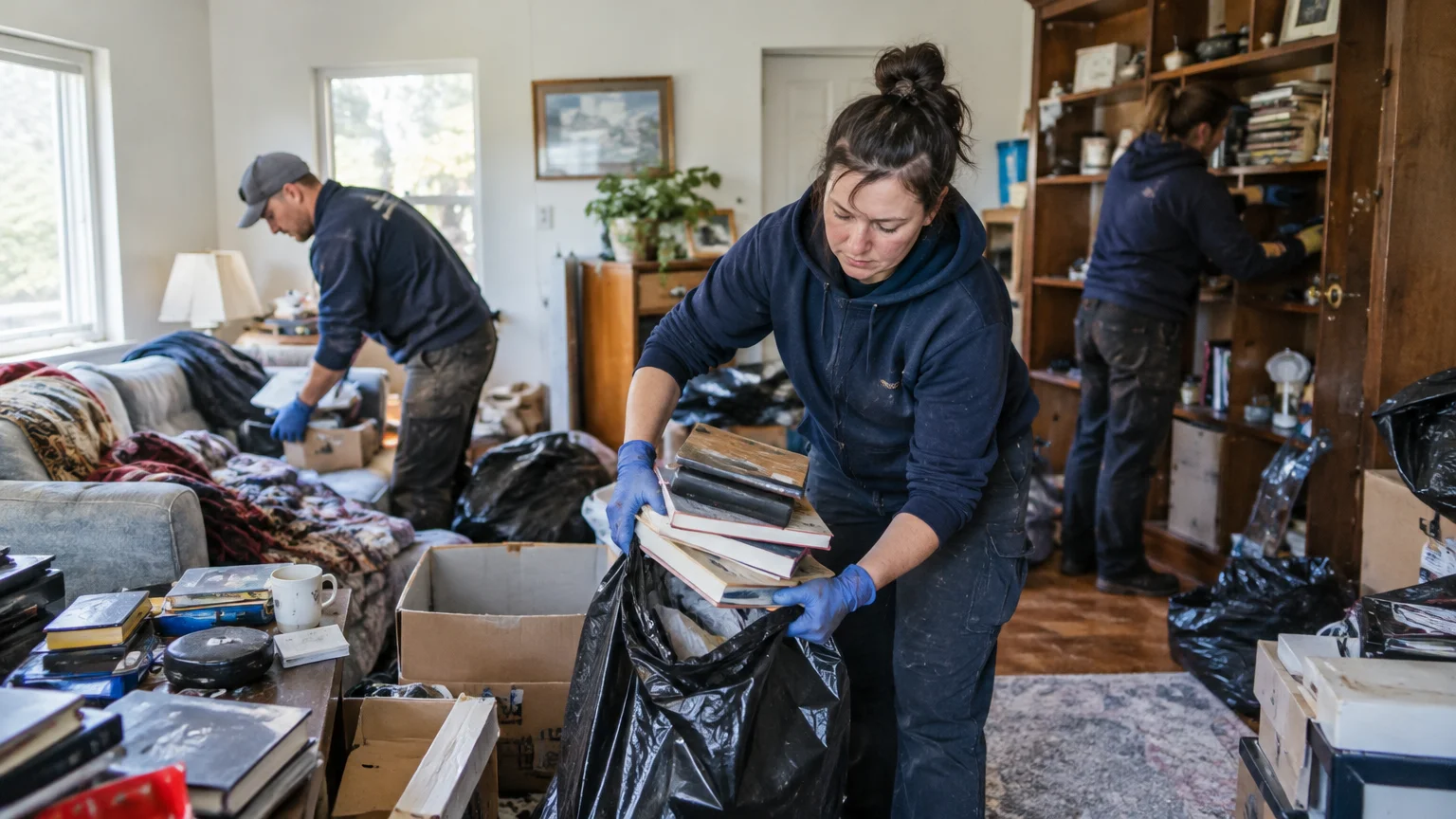
A professional hoarding cleanup service can help when clutter blocks rooms, creates safety risks, or feels too hard to manage. The right team works with care and clear steps. Apex property owners can get help while keeping important choices in the hands of the person and family involved.
What are the first signs that a hoarding situation needs professional help?
A home may need professional help when daily life becomes hard or unsafe. Early signs can include blocked rooms, strong odors, pests, or sanitation problems. These issues often grow slowly, so early help may prevent more damage.
Sign 1: Essential rooms and walkways are no longer usable
Clutter may cover floors, beds, counters, or doorways. This can make the home hard to use. A kitchen may not have a safe food prep area. A bathroom may be hard to reach. A bedroom may become storage space instead of a place to sleep.
A few full shelves do not always mean someone needs professional help. A homeowner may safely sort a small area, wipe surfaces, and donate unwanted items. Help becomes more important when clutter fills several rooms or makes normal walking hard.
A professional hoarding cleanup service can divide the work into smaller steps. The team can clear safe paths, remove approved items, and keep needed belongings together. This can feel less stressful than trying to empty the whole home in one day.
Sign 2: Clutter is causing sanitation, pest, or odor concerns
Strong odors, spoiled food, animal waste, insects, rodents, or damp items need prompt attention. These issues may affect the air and spread through the home. Paper, fabric, and other soft items can hold moisture and make cleanup harder.
Simple cleaning may be safe when there are no signs of contamination. Contamination means harmful waste or germs may be present. A person should not handle unknown waste, sharp items, mold, chemicals, or animal waste without proper safety gear and training.
A cleanup team can point out items that need special handling. The team can also explain when another specialist is needed. The goal is not to shame anyone. Hoarding may relate to stress, grief, health concerns, or strong feelings about belongings. Calm talk helps protect trust while the home becomes safer.
When does clutter become a safety hazard in the home?
Clutter becomes a safety hazard when it blocks escape routes, hides damage, or raises the chance of falls and fire. A home does not need to look full for danger to be present. Narrow paths, unstable piles, and blocked equipment can put residents, visitors, and first responders at risk.
Sign 3: Exits, stairs, or electrical systems are blocked
Blocked doors, stairs, halls, windows, and emergency exits need quick attention. Someone may trip while walking around piles. Items near heaters, outlets, electrical panels, or appliances can add fire risk. Heavy stacks may fall when someone moves an item from the bottom.
Residents may clear a small path when items are light, stable, and safe. They should stop if a pile shifts, the floor feels weak, or an item may contain chemicals, needles, pests, or broken glass. Safety matters more than finishing a room quickly.
A professional team can plan removal from the safest access point. It may separate furniture, appliances, bags, boxes, and loose debris. Questions about old appliances can also be handled during planning. Disposal depends on the item, its condition, and local rules in Apex.
Sign 4: Structural damage, mold, or other hazards may be hidden
Large piles can hide wet floors, damaged walls, leaks, mold, pests, or weak surfaces. They may cover vents, plumbing access, or signs of roof and foundation trouble. These problems can stay hidden until the clutter is moved.
A cleanup crew removes belongings, but it may not repair every hidden problem. If the team finds mold, unsafe wiring, major leaks, structural damage, or hazardous waste, the owner may need another qualified professional. Keeping cleanup and repair work separate helps make the plan clear.
The safest process starts with a careful walk-through. The team can note areas that need protection, items that must stay, and hazards that need special care. Apex North Carolina Junk Removal can help property owners understand which parts of a cleanout fit a junk removal team and which parts need another professional.
How can you tell when a hoarding cleanup is too difficult to manage alone?
A cleanup may be too hard to manage alone when the volume is large or decisions feel overwhelming. It may also be difficult when family members disagree or the person living there feels upset. Outside help can add order while keeping the person’s voice in the process.
Sign 5: The volume of belongings makes sorting and removal overwhelming
A home, garage, basement, or storage area may hold many types of items. Sorting may include furniture, clothes, papers, appliances, electronics, food containers, and household waste. Large items may also need two or more people to move safely.
A homeowner can start with one small area. Simple groups can include keep, donate, recycle, and discard. This may work when items are light and no hazards are present. It may not be safe when every room is crowded or the home has pests, odors, moisture, or blocked paths.
Professional junk removal services can help with physical work after the owner approves each removal. This may include hoarding junk removal, furniture removal, and whole house cleanout work. The team should explain each step and never take personal items without clear permission.
Professional furniture removal can be useful when heavy pieces block halls or rooms. A careful team can move approved items while protecting walls, floors, and belongings that stay. This matters for homeowners, landlords, and property managers in Apex.
Sign 6: Family members cannot agree on what should happen next
Disagreements are common when belongings have emotional, family, or legal value. One person may want a quick property cleanout. Another may need more time to sort. Rushing can damage trust and cause important items to be discarded by mistake.
A neutral plan can help. The family can choose who makes final choices, mark items that must stay, and set aside papers or valuables for review. If ownership, inheritance, or legal questions are involved, an attorney or estate professional may need to help.
A cleanup service should follow the agreed plan. It should not make personal choices for the family. Clear labels, room-by-room work, and written approval can reduce confusion. This care is especially important when the home belongs to an older adult or someone facing a major life change.
What should you expect from a professional hoarding cleanup service?
A professional hoarding cleanup service should offer a clear plan, careful removal, safe work habits, and respectful communication. The process depends on the property, the items, and the people making decisions. Good service focuses on usable space, not shame or speed alone.
Sign 7: The property needs a sensitive, organized cleanup plan
A strong plan starts with a talk and a walk-through. The team should learn which areas matter most and which belongings must stay. It should also ask about health or mobility concerns, access limits, hazards, and items that need special disposal.
The work may happen in stages. The first stage may clear exits and walkways. Later stages may address rooms, furniture, appliances, and loose debris. Sorting, loading, donation handling, and disposal should follow the owner’s instructions and local rules.
The service should not promise to solve every health or personal concern. Hoarding cleanup works best with support from a mental health provider, social worker, family counselor, or another trusted professional when needed. The cleanup team handles the property while the person receives personal support.
Sign 8: The home must be restored for safe, practical use
The final goal is a home that people can use more safely. This may mean opening walkways, clearing sleeping areas, making the kitchen usable, or preparing the property for repair, sale, rental, or family use. Cleaning and repairs may still be needed after removal.
After a cleanout, the owner should check for hidden damage and arrange needed repairs. Simple systems can help with future mail, donations, trash, and storage. These steps are easier when the plan feels realistic and does not demand perfection.
Apex North Carolina Junk Removal helps property owners find a careful path forward and nearby communities. The company can help with hoarding cleanup, estate cleanout services, foreclosure cleanout work, and other property cleanouts. The first step is a clear talk about the home and its goals.
Key takeaways
- Blocked rooms, exits, stairs, and walkways are strong signs that help may be needed.
- Odors, pests, moisture, waste, and hidden damage should not be ignored.
- Small, safe areas may be handled by a homeowner, but large or unsafe jobs need help.
- Families should agree on what stays before any items are removed.
- A careful plan can restore safer, more useful space without shame.
Frequently Asked Questions
What is a cleanout service?
A cleanout service removes unwanted belongings, furniture, appliances, and debris from a property. In a hoarding situation, the work should include planning, approved sorting, safe paths, and respectful communication. The service may remove items, but repairs, mold treatment, and personal support may need other qualified professionals.
How can someone dispose of a refrigerator or other appliance?
Large appliances should not go into regular household trash unless local rules allow it. A removal team can explain the next step based on the appliance, its condition, and local disposal rules. Refrigerators may need special handling because of refrigerants and other parts. Owners should not take them apart at home.
Can a homeowner handle hoarding cleanup alone?
A homeowner may handle a small, clean area with light items and no safety concerns. Professional help is wiser when rooms, exits, stairs, or utilities are blocked. Help may also be needed when pests, mold, waste, unstable piles, heavy furniture, or family conflict make the work unsafe or too stressful.
How does a cleanup team protect personal belongings?
The team should agree on rules before work starts. Family members can mark items that must stay, create a review area, and choose who makes final decisions. Workers should pause when an item is unclear. Papers, valuables, photographs, medications, and personal records deserve careful review before removal.
Conclusion
Needing help with a hoarding situation does not mean anyone has failed. It means the property needs a safe plan and steady support. A professional team can handle approved removal while families focus on health, trust, repairs, and the next practical step.
Contact us today to discuss a respectful cleanup plan with Apex North Carolina Junk Removal.